
-
-
-
-
Contact


新闻资讯
Exploring Innovations in the High-End Mold Industry for CNC Machining
2024-10-30
1. Introduction to the High-End Mold Industry
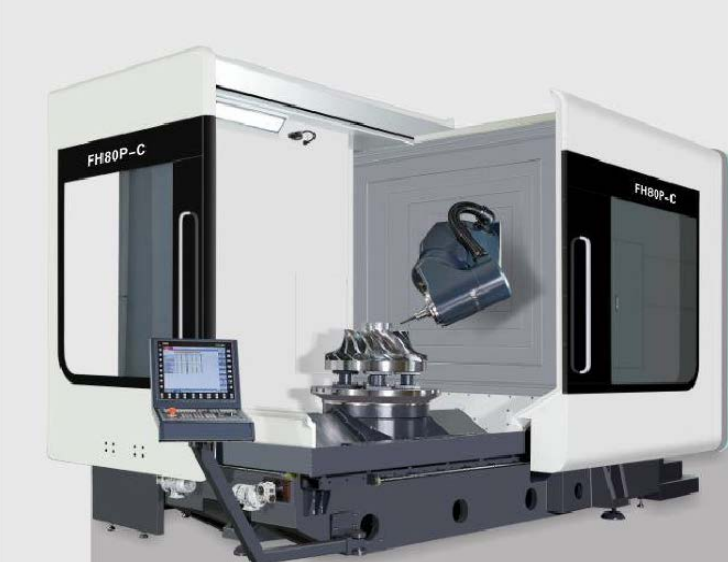
The high-end mold industry is pivotal to modern manufacturing, serving as the backbone for various sectors such as automotive, consumer goods, and electronics. Molds are essential tools that shape materials into desired forms, making them crucial in producing parts with high precision. As we delve into the intricacies of this industry, we uncover the significant role that CNC (Computer Numerical Control) machining plays, introducing efficiencies and innovations that revolutionize mold creation.
2. Importance of CNC Machining in Mold Manufacturing
CNC machining has transformed the mold-making process, enabling manufacturers to achieve intricate designs with remarkable accuracy. This technology automates the process of cutting, drilling, and shaping materials, minimizing human error and substantially reducing production times. The advantages of CNC machining in mold manufacturing include:
- Enhanced Precision: CNC machines operate based on precise codes, ensuring that every cut is executed exactly as designed.
- Automation: By reducing manual interventions, CNC machining allows for continuous operations, thus increasing productivity.
- Cost-Effectiveness: Although the initial investment in CNC technology can be high, the long-term savings in labor and material costs often outweigh it.
- Complex Designs: CNC machining makes it feasible to create intricate mold designs that would be impossible with traditional methods.
3. Innovations Shaping the High-End Mold Industry
The high-end mold industry is undergoing rapid transformation driven by technological advancements. These innovations not only enhance the capabilities of CNC machining but also redefine the mold manufacturing landscape.
3.1 Advanced Materials for Mold Production
Material selection is paramount in mold manufacturing. The use of advanced materials such as high-performance steels, aluminum alloys, and composite materials is gaining traction. These materials offer improved durability, heat resistance, and reduced weight, which in turn enhances the overall efficiency of the mold.
- High-Performance Steels: Known for their toughness and wear resistance, these steels are ideal for producing molds that require longevity and precision.
- Aluminum Alloys: Lightweight and easy to machine, aluminum alloys allow for faster production times and are particularly useful for prototyping.
- Composite Materials: Incorporating composites can reduce the weight of molds while maintaining structural integrity, making them a popular choice for the aerospace and automotive industries.
3.2 Automation and Robotics
The integration of automation and robotics into mold manufacturing processes is revolutionizing the industry. Robots are employed for tasks such as material handling, machining, and assembly. Benefits of this innovation include:
- Increased Efficiency: Automated systems can operate continuously without breaks, significantly increasing production capacity.
- Reduced Labor Costs: With machines performing repetitive tasks, the need for human labor decreases, leading to lower operational costs.
- Enhanced Safety: Automated systems can take on dangerous tasks, reducing the risk of workplace accidents.
3.3 3D Printing in Mold Making
3D printing technology is emerging as a game-changer in the mold industry. It allows for rapid prototyping and the creation of complex geometries that traditional methods may struggle to achieve. Key advantages include:
- Rapid Prototyping: Designers can quickly create prototypes for testing and validation, accelerating the overall product development cycle.
- Cost Reduction: 3D printing minimizes material waste and shortens lead times, offering a cost-effective solution for low-volume production.
- Design Flexibility: With the ability to produce intricate designs, 3D printing enables more innovative and efficient mold designs.
3.4 Artificial Intelligence in Mold Design
Artificial Intelligence (AI) is making its mark in mold design, enhancing decision-making and optimizing production processes. AI algorithms can analyze vast amounts of data to predict outcomes, identify potential issues, and suggest improvements. This leads to:
- Optimized Designs: AI can simulate various design scenarios, helping engineers develop the most effective mold geometries.
- Predictive Maintenance: By analyzing machine performance data, AI can foresee equipment failures, reducing downtime and maintenance costs.
- Enhanced Customization: AI tools allow for tailor-made solutions to meet specific requirements, improving customer satisfaction.
4. Challenges in the High-End Mold Industry
Despite the remarkable advancements, the high-end mold industry faces several challenges that manufacturers must navigate. These include:
- Skill Shortages: The rapid evolution of technology requires a workforce with specialized skills. This has led to a skills gap that many companies struggle to fill.
- High Initial Investments: The cost of advanced machinery and materials can be prohibitive, especially for small to medium enterprises.
- Market Competition: With globalization, the competition has intensified, pushing manufacturers to innovate continuously to stay relevant.
5. Future Trends in CNC Machining and Mold Manufacturing
Looking ahead, several trends are set to shape the future of the high-end mold industry:
- Sustainability: With increasing emphasis on environmental responsibility, manufacturers are focusing on sustainable practices, such as using eco-friendly materials and reducing waste.
- Smart Manufacturing: The adoption of IoT (Internet of Things) technologies will facilitate real-time data collection and analysis, enabling smarter operational decisions.
- Customization: As customer demands become more specific, the ability to quickly adapt to custom orders will be a significant competitive advantage.
6. Case Studies: Successful Innovations in Mold Industry
Various companies are leading the charge in implementing innovative practices in the high-end mold industry. For example:
- Company A: By adopting 3D printing technology, Company A reduced its prototype development time by 50%, allowing for faster go-to-market times.
- Company B: Utilizing AI for predictive maintenance, Company B decreased its machine downtime by 30%, leading to significant productivity gains.
- Company C: Integrating robotics in its assembly line resulted in a 40% increase in efficiency, thereby reducing labor costs substantially.
The high-end mold industry is at the forefront of innovation, driven by advancements in CNC machining and emerging technologies. As we explore these innovations, it's evident that the integration of advanced materials, automation, 3D printing, and AI is reshaping the landscape of mold manufacturing. While challenges persist, the future holds promise with trends geared towards sustainability and smart manufacturing. Staying ahead in this competitive industry requires embracing these innovations and continuously adapting to the evolving market demands. By doing so, manufacturers can enhance their operational efficiencies, reduce costs, and ultimately deliver higher-quality products to their customers.
Recommend News
National Service Hotline
Guangzhou Feihong Intelligent Technology Co., Ltd.
Telephone 86 20 66606238 / 86 20 86920099 / 86 20 86920418 / 86 20 86920578
Domestic:13902405737 Manager Li
International:15013121816 Manager Wu
Fax: 86 20 86920126
Address: No. 118, Middle Section of Furong Avenue, Huadu District, Guangzhou City, Guangdong Province, China
Zip Code: 510860
E-mail:feihong@feihong-machine.com
Website:www.feihong-machine.com


Follow us
© 2022 Guangzhou Feihong Intelligent Technology Co., Ltd. SEO Tags Powered by www.300.cn City Product
WhatsApp: 15013026621
Domestic: 86-13902405737 Manager Li
International: 86-15013121816 Manager Wu
Add:fu Rong Road,Huadu District, Guangzhou City, China.
Email: feihong@feihong-machine.com
We will provide you with timely feedback